Reviewed · TOURS IN EDINBURGH
Fire Dancing with Iga
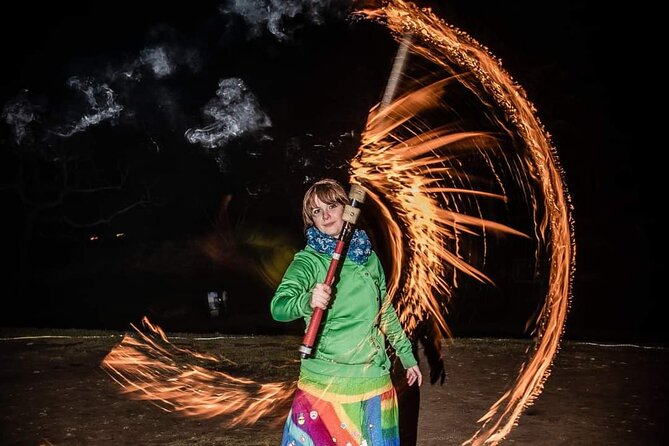
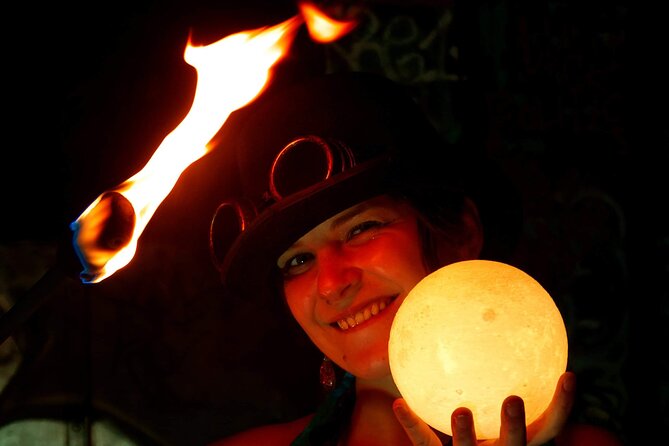
Fire dancing with Iga puts you close to real flames in a carefully taught, hands-on setting. You begin with a warm-up and safety guidance, then practice movements before the fire tools are lit. By the end, you should be able to perform a few simple tricks with different props.
I like the tiny group size, capped at five, because you get room to ask questions and time to practice. I also like the mix of movement, focus, and music. This is not a passive performance. You take part, and that makes the activity feel unusual and personal.
The main drawback is the outdoor setting. Edinburgh weather can change quickly, and a poor-weather cancellation is possible. The activity is also not recommended for children under 14, and anyone uneasy around open flame should choose a calmer workshop.
Key points at a glance
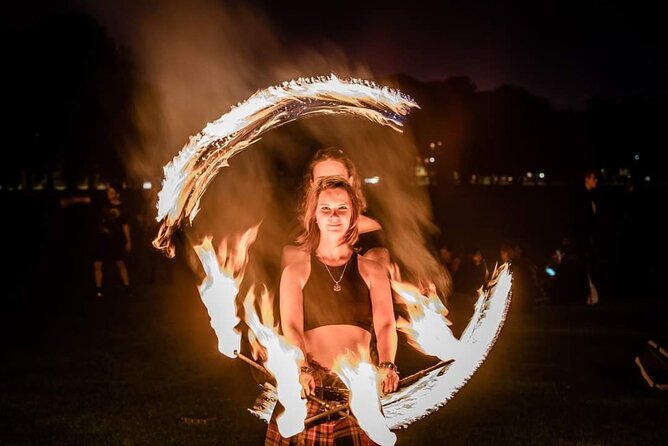
- Real fire, not a stage-only demonstration: You learn to handle lit fire tools yourself after a safety briefing and warm-up.
- A maximum of five people: The small group gives Iga time to guide each participant through the movements.
- A 90-minute evening activity: The 6:30 pm start fits neatly after sightseeing in Edinburgh Old Town.
- Several fire toys and simple tricks: You work with different tools and finish with practical moves you can repeat.
- Outdoor energy with music: Iga brings a portable speaker, creating a more active and playful session.
- Weather matters: Rain or poor conditions can lead to a new date or a full refund.
What Fire Dancing with Iga is really like
Fire dancing is part movement lesson, part concentration exercise, and part controlled adventure. You are not simply watching someone spin flames in the dark. Iga teaches you how to use the equipment, then lets you work through the basics yourself.
The session lasts about 90 minutes. That is enough time to move beyond a quick photo opportunity, but it is not so long that the physical practice becomes exhausting for most people. You should expect an active class rather than a polished theatrical show.
I find the appeal easy to understand. Fire demands attention. You need to watch the tool, control your movements, and listen to instructions. That focus can feel a little like a moving meditation, although you should treat it first as a safety-led physical activity, not as a formal mindfulness class.
Iga describes fire juggling as her main hobby and takes pleasure in passing on the art. That passion matters here. A first attempt at fire manipulation can feel awkward, so a patient instructor makes a real difference. The teaching is aimed at beginners, with simple tricks that are designed to be manageable and fun.
Other tours people book around Edinburgh:
- The World Famous Underground Ghost Tour
★ 4.5 · 9,272 reviews - Underground Vaults Walking Tour in Edinburgh Old Town
★ 4.5 · 8,506 reviews - Loch Ness, Scottish Highlands, Glencoe and Pitlochry Tour
★ 5.0 · 6,854 reviews
Meeting at Greyfriars Bobby at 6:30 pm
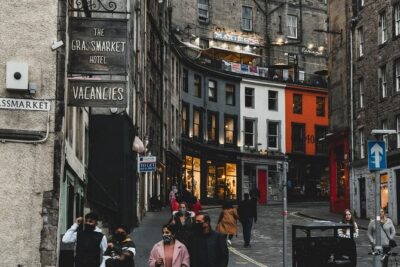
You meet beside the Greyfriars Bobby Statue in Edinburgh Old Town. The statue is a clear landmark, and the meeting point sits near public transportation, so it is a practical place to reach before the session.
Plan to arrive with enough time to find the statue without rushing. The activity starts at 6:30 pm, and the group is small. A late arrival matters more in a five-person workshop than it might in a large bus tour, since the instructor needs to begin with everyone present and ready.
The location also puts the activity in a useful part of an Edinburgh evening. You can spend the afternoon around the Old Town, have an early meal, and then walk to the meeting point. The experience finishes back at the starting point, so you do not need to arrange a second pickup or find your way to an unfamiliar end location.
The exact practice area is not described in detail, so you should not book this expecting a particular city view or a fixed performance venue. The attraction is the fire work itself, not a sightseeing route.
Starting safely before the flames appear
The first part of the session is preparation. Iga provides the tools and safety equipment, then explains how to use them. This is the part to take seriously, even if the mood is light and playful.
You will likely begin with a warm-up that teaches the basic body movements without lit props. That order is sensible. You can concentrate on hand position, balance, rhythm, and the path of the tool before adding fire to the equation.
The safety instruction also helps settle first-time nerves. The idea of handling fire can sound more dramatic than the actual beginner exercises, and clear guidance gives you a framework to work within. You are encouraged to try new movements, but the session is not presented as a reckless stunt.
I would listen closely at this stage and ask questions before the tools are lit. You have paid for instruction, not for the appearance of being fearless. Good technique begins with knowing where your hands and body should be, and with following Iga’s directions rather than rushing to the exciting part.
Practicing with different fire toys
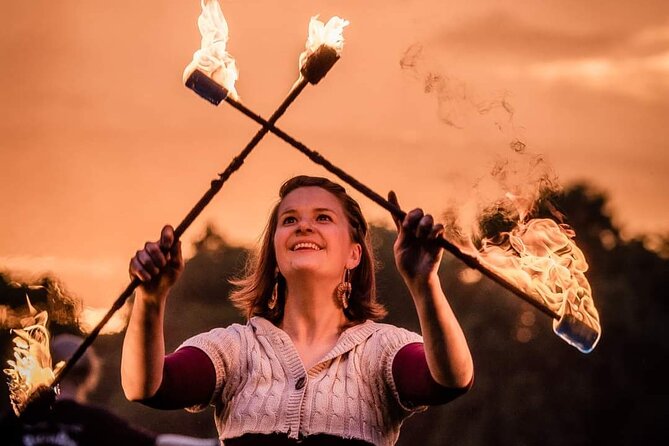
After the warm-up, you work with various fire tools. The information provided does not name each prop, so I would avoid expecting one particular piece of equipment. What you can expect is a selection of tools and a chance to learn more than one basic movement.
I like this structure because it gives the class variety. If one trick feels unnatural, another may suit you better. Some people will enjoy the rhythm of a repeated movement, while others will prefer trying a simple manipulation sequence that requires more coordination.
The session is built around achievable tricks. You are not expected to become a professional fire performer in an hour and a half. Instead, you should finish with a handful of moves that feel within reach and provide a solid introduction to the art.
That makes the class a good fit for curious beginners. You do not need to arrive with juggling experience listed in your past. You do need to be willing to focus, take instruction, and accept that the first few attempts may look less graceful than you imagined.
Same base, a completely different day out:
- Loch Ness & Highlands Small-Group Tour from Edinburgh with Cruise
★ 4.5 · 6,022 reviews - Edinburgh Castle: Guided Walking Tour with Entry Ticket
★ 5.0 · 5,540 reviews - Edinburgh Castle Guided Walking Tour in English
★ 5.0 · 5,214 reviews - Edinburgh: Glenfinnan Viaduct, Glencoe & Fort William
★ 5.0 · 4,337 reviews
When the practice tools are set on fire
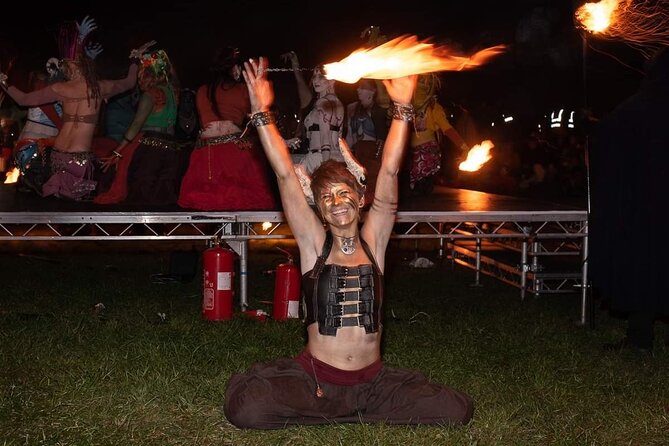
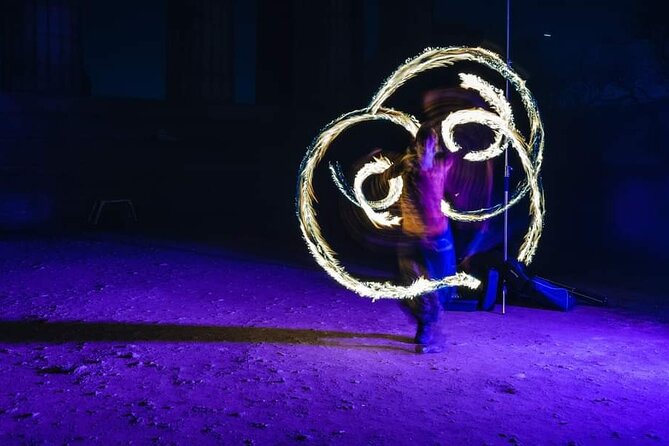
The key moment comes when the tools are lit. This is where the workshop changes from a movement class into something you will remember clearly. Fire adds visual drama, but it also sharpens your attention and makes each motion feel more deliberate.
Iga guides the transition from practice to live flame. The supplied information does not promise a particular number of tricks or a choreographed routine, so keep your expectations realistic. You will learn and practice several moves, rather than receive a complete professional fire-dance show.
The real value is participation. You get to feel the difference between moving a prop in rehearsal and controlling it with a live flame. That can bring a strong sense of achievement, especially if you arrived unsure of your coordination or confidence.
There is also a useful mental benefit in the narrow focus the activity requires. You cannot casually wave a lit tool while thinking about something else. You must pay attention to your movement and the instructor’s guidance. That makes the class unusual among Edinburgh activities, many of which ask you to look and listen rather than physically concentrate.
Music, movement, and the outdoor setting
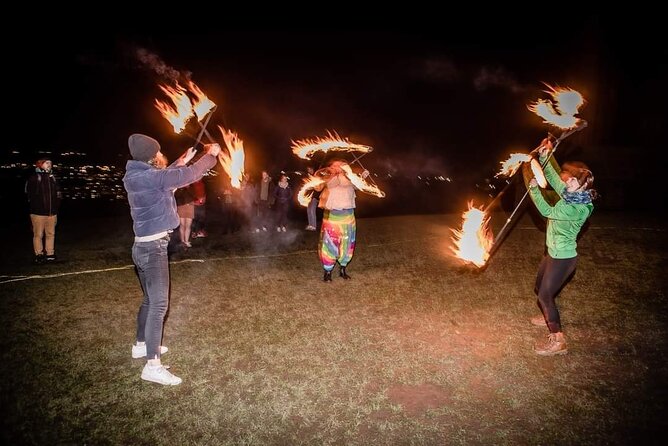
Iga brings a portable speaker, so music forms part of the session. That detail helps explain the tone of the class. This is meant to feel energetic and social, not stiff or overly formal.
The outdoor setting adds to the atmosphere. Fire against an evening sky has an appeal that a bright indoor room cannot quite copy. It can also make the workshop feel more connected to the old performance traditions behind fire manipulation.
The trade-off is clear: the weather is part of the experience. Rain affected at least one session, which was moved to a sheltered location. The activity requires good weather, and if conditions are poor, you may be offered another date or a full refund.
That policy protects you from being asked to practice with fire in unsafe conditions, but it does make the experience less certain than an indoor class. If you have only one free evening in Edinburgh, keep that risk in mind. If your schedule allows flexibility, the weather clause is easier to manage.
Why the group limit matters
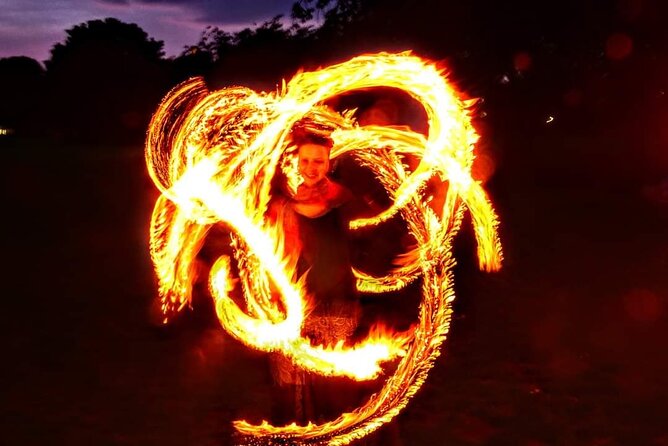
A maximum of five participants is one of the strongest features of this activity. Fire handling needs space, clear instructions, and individual correction. A large group could turn the session into a wait-and-watch exercise, but five people gives the lesson a more personal feel.
You should have a better chance to ask Iga about a movement, repeat a trick, or get help when coordination goes wrong. That is particularly useful if you are nervous about the flames or have never worked with a performance prop.
The small group also means the activity may feel more comfortable for people who dislike crowded tours. You are not being pushed through a fixed line of attractions. The focus stays on the class and on your progress.
There is a limit to that advantage. A small group does not guarantee private instruction, and the exact amount of practice time will depend on how quickly everyone learns. Still, five people is a thoughtful maximum for this kind of hands-on session.
The $93.07 price and what you receive
At $93.07 per person, this is not a cheap filler activity. You are paying for a specialized lesson, a small group, safety equipment, fire tools, instruction, and a memorable use of an Edinburgh evening.
The value depends on what you want from your time in the city. If you prefer major sights, museum visits, or a standard guided walk, this price may feel high for 90 minutes. You are not getting a broad tour of Edinburgh or a long list of landmarks.
If you want something unusual that you can actively do, the calculation looks better. Fire dancing is not an everyday holiday activity, and the small group helps justify the cost. You are buying access to equipment and an art form that would be difficult to try safely on your own.
I would also compare it with the cost of a performance ticket. This is not a replacement for a professional fire show, but it gives you the more personal experience of learning the basic craft. For the right person, that hands-on element is the reason to book.
The average booking lead time is 41 days. That suggests you should not leave it until the last minute if the date and evening time matter to you. The group limit is only five, so spaces can disappear faster than they would on a large sightseeing tour.
Who will enjoy this most
This activity suits you if you are curious, open to trying something outside the usual Edinburgh checklist, and comfortable with a physical lesson. It is especially appealing if you like juggling, dance, circus skills, performance art, or activities that demand concentration.
You do not need to be an expert performer. The instruction is designed around simple tricks and a beginner-friendly progression. You should, however, be ready to move, listen carefully, and try several times before a technique feels natural.
It may also suit someone who wants a confidence boost. Handling a new skill in a controlled setting can feel rewarding, particularly when you see a movement work after several attempts. I would not treat it as therapy, but the focused, active format may leave you feeling more alert and capable.
The activity is not recommended for children under 14. For older teenagers and adults, the decision should depend on comfort around open flame and willingness to follow safety instructions.
Practical details before you book
Your mobile ticket is confirmed at booking, and you meet at the Greyfriars Bobby Statue. The activity returns to that meeting point, which keeps the evening simple.
Wear something that lets you move comfortably. The supplied information does not give a specific clothing list, so I would not assume that special clothing or personal equipment is provided. The instructor supplies the fire tools and safety equipment.
Keep the weather policy in mind when planning dinner or another booking afterward. A cancellation caused by poor conditions can lead to a different date or a full refund, but a change may still affect the rest of your evening.
You can cancel for a full refund if you do so at least 24 hours before the 6:30 pm start. Cancellations or changes made inside that window are not accepted for a refund. The activity also requires a minimum number of participants, so a short-notice cancellation for that reason is possible, with a new date, another experience, or a full refund offered.
Should you book Fire Dancing with Iga?
Book it if you want a small, unusual Edinburgh activity where you learn something rather than simply watch it. The strongest reasons are the five-person limit, Iga’s patient teaching style, the chance to use several fire tools, and the genuine sense of occasion that comes when the props are lit.
Skip it if open flame makes you anxious, you need a fully indoor plan, or you want a polished evening performance instead of a beginner workshop. The price is fair for a specialized lesson with equipment and close instruction, but it only feels like good value if active participation appeals to you.
For most curious adults and older teens with a flexible evening, I would give it serious consideration. Fire dancing is unusual, focused, and memorable, and Edinburgh offers few chances to try it under the guidance of someone who clearly cares about the art.
FAQ
Where does the fire dancing session begin?
It begins at the Greyfriars Bobby Statue in Edinburgh Old Town, Edinburgh EH1 2QE, United Kingdom.
What time does the activity start?
The scheduled start time is 6:30 pm.
How long does the fire dancing workshop last?
The session lasts approximately 90 minutes.
Is the activity suitable for children?
The activity is not recommended for children under 14.
How many people can join the session?
The group has a maximum of five participants.
What happens if the weather is poor?
The activity requires good weather. If it is canceled because of poor conditions, you will be offered a different date or a full refund.
Just added around Edinburgh
- Private South Queensferry Town Walking Tour★ 5.0 · 3 reviews
- Blackness Castle Cruise★ 4.5 · 39 reviews
- Half Day Sailing Trip★ 5.0 · 11 reviews
- Edinburgh Shore Excursion: City Tour and Royal Yacht Britannia★ 4.0 · 41 reviews
- Edinburgh Shore Excursion with a Local Guide: 100% Personalized & Private★ 4.0 · 7 reviews
- Full Day Sailing Trip★ 5.0 · 10 reviews
- Whisky Tasting at Edinburgh’s Award Winning Whiski Rooms★ 5.0 · 5 reviews
- West Coast Lochs & Castles Tour – from Edinburgh★ 5.0 · 21 reviews
Tours in Edinburgh, compared.
Underground Vaults Walking Tour in Edinburgh Old Town
Read our review →
Loch Ness, Scottish Highlands, Glencoe and Pitlochry Tour
Read our review →
Loch Ness & Highlands Small-Group Tour from Edinburgh with Cruise
Read our review →
Edinburgh Castle: Guided Walking Tour with Entry Ticket
Read our review →
Edinburgh Castle Guided Walking Tour in English
Read our review →
The Chocolatarium Chocolate Tour Experience in Edinburgh
Read our review →