
Reviewed · SCOTLAND
Full Day Private Hire
The River Clyde changes character quickly on this private boat trip. From Holy Loch, you can pass a famous shipwreck, look for seals and sea eagles, and land on Little Cumbrae for views toward Bute, Arran, and Ailsa Craig. It is a fine way to see the Clyde as a living waterway, not just a route into Glasgow.
I like the private format, since your group can spend more time at a wreck, linger over wildlife, or adjust the plan to suit the weather. I also like the practical touches: binoculars, wildlife cards, hot drinks, and a skipper who has earned strong praise for safety, boat handling, and helping people on and off the vessel.
The main consideration is Scotland’s weather. This trip needs decent conditions, and the provider does not currently supply full wet-weather clothing. Bring proper waterproof layers, and remember that snacks are your responsibility.
Key points to know before you book
- A private boat for up to seven: Your group has the vessel to itself, with a route that can be adjusted to your interests.
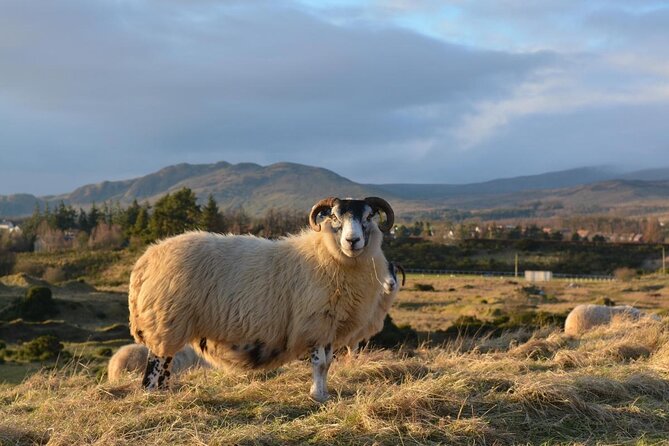
- Wildlife close to Glasgow: Seals, porpoise, gannets, sea eagles, and other birds may appear around the Clyde and its shores.
- A wreck with a story: The MV Captayannis, known locally as the Sugar Wreck, is circled slowly while the skipper explains how it sank.
- Two very different castle and island stops: Carrick Castle offers a dramatic loch setting, while Little Cumbrae gives you a short walk and broad island views.
- Useful equipment included: Binoculars, identification cards, life jackets, fees, and tea or coffee are supplied.
- Plan for the cold: The boat operator asks you to bring your own waterproof clothing and snacks.
Why the Clyde makes a surprising wildlife trip
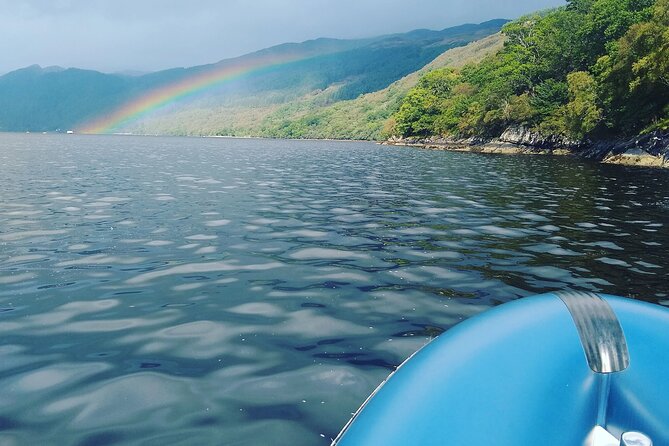
The Clyde is easy to underestimate. It is tied to shipbuilding, ferries, naval activity, and the urban life of Glasgow, yet the waterway opens into lochs, wooded shores, islands, and exposed stretches of coast. A boat gives you a different view of this contrast.
Instead of seeing the Clyde from a road or a town promenade, you watch the shoreline slide past at water level. Old structures, military sites, castles, and natural habitats appear in the same outing. That mix is the real appeal here.
The trip begins and ends at Holy Loch Marina in Sandbank, near Dunoon. The listed start time is 9:00 am, and the full outing can run from about four to eight hours. That wide time range reflects the private nature of the trip. Your exact route and time on the water can depend on the weather, wildlife, and what your group wants to see.
Skipper Jason is the named guide connected with the operation. His strongest qualities are practical ones: careful boat handling, clear safety briefings, help with equipment and boarding, and an ability to adjust plans when conditions change. For a boat excursion, those details matter more than a polished script.
A few more days out from Scotland worth a look
- Isle of Skye Full Day Private Tour from Inverness
★ 5.0 · 1,065 reviews - Edinburgh Full Day Walking Tour with Castle Included -Small Group
★ 5.0 · 676 reviews - Full-Day Highland Lochs Glens and Castles Tour from Edinburgh
★ 5.0 · 256 reviews
Holy Loch: a fitting place to begin
Holy Loch is more than a marina departure point. The opening talk covers the loch from ancient times through wartime use and into the present day. That gives you useful context before you start moving through the wider Clyde area.
There may also be a chance to see sonar images of Second World War landing craft sunk in the loch. This is a particularly good detail for anyone interested in military history or underwater archaeology. You do not need to be a specialist to appreciate the idea that the visible water hides another layer of the story.
The initial stop is listed at about 15 minutes, though the actual time may depend on the day’s route. Use this early pause to get comfortable, ask questions, and learn how to use the binoculars and wildlife cards.
Holy Loch Marina is at Rankin’s Brae in Sandbank, Dunoon, postcode PA23 8FE. The activity returns to this same meeting point, so you do not need to arrange a separate return transfer from another shore location.
The MV Captayannis and the story of the Sugar Wreck
The wreck of the MV Captayannis is one of the trip’s most distinctive sights. Often called the Sugar Wreck, it lies in the Clyde and can be viewed from the boat as the skipper explains how it came to rest there.
The boat makes a slow circuit around the wreck. That gives you time to take photographs, ask questions, and examine the shape of the vessel from several angles. A wreck can look very different from the water than it does in a photograph, especially when you are close enough to notice its position against the shore and sky.
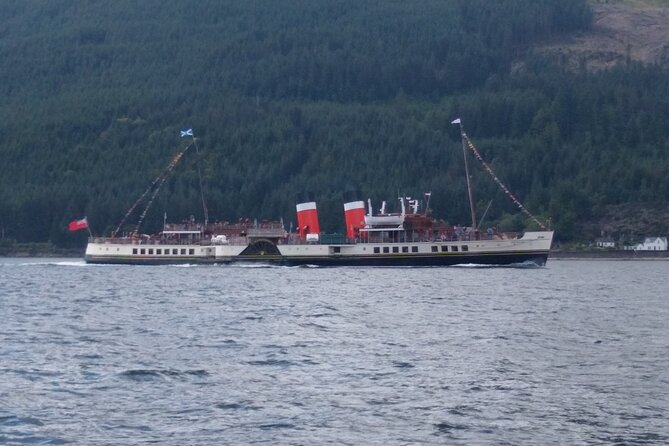
This is also a useful wildlife stop. Keep watch for gannets, seals, and porpoise in the surrounding water. Military vessels may also be visible in the area, adding another reminder that the Clyde remains an active working waterway.
Hot and cold refreshments are served aboard during this part of the route. Coffee and tea are included, but snacks are not, so bring food if you expect to be out for most of the day. You should also keep your camera protected from spray and weather, even on a calm day.
Carrick Castle on Loch Goil
Carrick Castle brings a different mood. The 14th-century castle sits on the shores of Loch Goil, backed by steep hills and woodland. Seen from the water, it has the kind of setting that makes a short stop feel worthwhile even if you are not usually interested in old buildings.
The visit is listed at around 20 minutes. That is enough for a closer look and some photographs, but this is not a long castle tour with an extended interior visit. The appeal is the setting, the approach by boat, and the chance to see the castle as part of the loch rather than as an isolated monument.
Look up into the forested slopes for birds of prey, including sea eagles. Sightings are never guaranteed, so the best approach is to treat wildlife as an opportunity rather than a promise. The binoculars and identification cards help you make sense of what you see, especially if a bird appears only briefly.
Carrick Castle also shows why a private trip can be useful. If the conditions and timing are right, your group can spend more time watching the shore or asking the skipper about the area. On a shared excursion, the schedule would be less flexible.
Same base, a completely different day out:
- The World Famous Underground Ghost Tour
★ 4.5 · 9,272 reviews - Underground Vaults Walking Tour in Edinburgh Old Town
★ 4.5 · 8,506 reviews - Loch Ness, Scottish Highlands, Glencoe and Pitlochry Tour
★ 5.0 · 6,854 reviews - Loch Ness & Highlands Small-Group Tour from Edinburgh with Cruise
★ 4.5 · 6,022 reviews
Passing Coulport and the working Clyde
Coulport is a brief stop, listed at about five minutes, but it adds important context to the route. The area is associated with one of the largest floating concrete structures in the world, and the boat passes it on the way toward Carrick Castle.
This part of the trip is less about getting off the boat and more about seeing how industry, military activity, and open water fit together. The Clyde is not a wilderness reserve cut off from daily life. It is a working waterway, and that is part of what makes the scenery interesting.
You may want to ask the skipper about what you are seeing as you pass. Jason’s local experience is one of the operation’s useful strengths, particularly for a group that prefers explanation and conversation over a silent sightseeing ride.
Little Cumbrae and the lighthouse walk
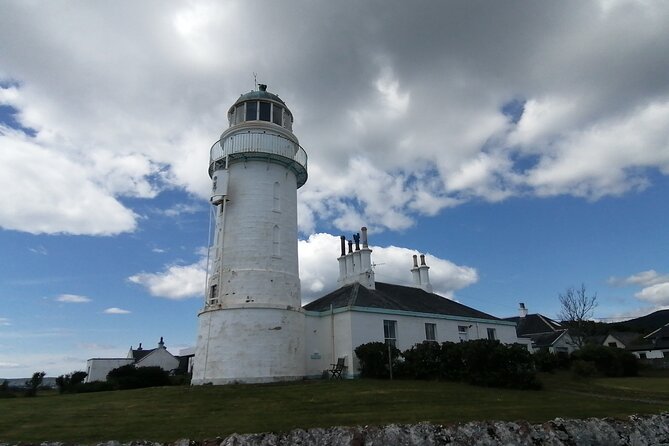
Little Cumbrae offers the clearest chance to stretch your legs. This uninhabited island has a lighthouse described as the second oldest in Scotland, and the route takes you up toward it after landing.
The stop lasts around 30 minutes. That is enough for a short walk and photographs, but you should not expect a lengthy island hike. Wear shoes that can handle uneven ground, and keep in mind that the time available depends on the wider schedule and conditions.
The views are the main prize. From the island, you can look toward Bute, Arran, and Ailsa Craig. On a clear day, the view gives you a strong sense of how the Clyde opens toward the islands and the wider Firth.
Little Cumbrae is also a good example of the trip’s variety. In one outing, you can move from a marina with wartime stories to a wreck, then a medieval castle, a working military shore, and an uninhabited island. Few standard city excursions offer that range.
What the private format is really worth
The price is $1,062.78 per group of up to seven. At first glance, that is a substantial amount. The important point is that it is priced by group, not per person.
With seven people aboard, the cost works out to roughly $152 per person. With four people, it is about $266 per person. A smaller group pays more per head, but you also get the privacy and flexibility that make this format attractive.
The value improves if your group has mixed interests. One person can focus on wildlife, another on history, and someone else on photography without having to fit into a rigid public-tour schedule. The route can also be adapted within the available time, rather than treating every stop as a fixed checklist.
The price includes boat fees, tea and coffee, binoculars, wildlife identification cards, and life jackets. It does not include snacks or full wet-weather gear. That last point is important in Scotland. Bring waterproof trousers, a waterproof jacket, warm layers, and a bag that protects your phone and camera.
Comfort, safety, and the boat experience
The operator’s wider boat service has a strong practical focus. Jason is repeatedly praised for safety, clear briefings, local knowledge, and helping people get ready, board, and leave the vessel. Those habits should give you confidence, especially if you are not used to small boats.
Life jackets are provided. Service animals are allowed, and the meeting point is near public transportation. Most people can participate, though the supplied information does not describe specific boat access arrangements, so contact the operator if anyone in your group has mobility concerns.
The trip is not presented as a luxury cruise. You should expect an active outdoor outing where weather, spray, boat movement, and changing conditions are part of the experience. That is a fair trade for getting close to wrecks, wildlife, and shorelines that are difficult to appreciate from land.
Hot drinks are a welcome touch, particularly on a cool day. Still, you should dress for the water rather than the forecast at the marina. Conditions can feel colder once the boat is moving.
Who will enjoy this most
I would recommend this outing to families with older children, small groups of friends, photographers, bird watchers, history fans, and anyone who wants a more personal look at the Clyde. The private setup works especially well for groups that dislike hurried stops or fixed commentary.
It is also a strong choice for people staying around Dunoon who want to make the waterway the main event. You do not need to choose between a nature trip and a history trip. This one combines both.
The trip may be less suitable if you want a long, comfortable cruise with no walking or if you need guaranteed wildlife sightings. Little Cumbrae includes a short walk, the route depends on weather, and animals remain unpredictable. The boat is a tool for exploring, not a viewing platform with guaranteed appearances.
Booking around a week ahead is sensible, particularly if your group has a specific date in mind. Free cancellation is available up to 24 hours before the start time. If poor weather forces a cancellation, you can choose another date or receive a full refund.
Should you book the Clyde private hire?
Book it if you value flexibility, local stories, and a varied day on the water more than a standard sightseeing route. The wreck, Holy Loch history, Carrick Castle, and Little Cumbrae lighthouse give the outing real range, while the chance to see seals, porpoise, gannets, and sea eagles adds excitement without promising too much.
I would be especially happy booking this for a group of six or seven, since the fixed price becomes more reasonable and the private format earns its keep. Bring serious waterproof clothing, pack snacks, and leave room in your schedule for weather changes.
If you want a carefully packaged tour with guaranteed wildlife or indoor comfort, choose something else. If you want to see the Clyde from the water, ask questions, stop for photographs, and let an experienced skipper shape the day around conditions, this is a worthwhile choice.
FAQ
Where does the private boat trip start?
It starts at Holy Loch Marina, Rankin’s Brae, Sandbank, Dunoon, PA23 8FE, Scotland.
What time does the experience begin?
The listed start time is 9:00 am.
How long does the boat trip last?
The experience lasts approximately four to eight hours, depending on the route and conditions.
How many people can join the private trip?
The price covers one private group of up to seven people.
What equipment is included?
Binoculars, marine life identification cards, life jackets, all fees and taxes, and coffee or tea are included.
Do I need to bring anything?
Bring your own full wet-weather clothing and snacks. The operator does not currently provide complete wet-weather equipment.
What happens if the weather is poor?
The experience requires good weather. If it is canceled because of poor conditions, you can choose another date or receive a full refund.
Just added around Scotland
- ULLAPOOL PORT Cruise Ship Tour, Ardvreck Castle, Rocks & More★ 5.0 · 5 reviews
- Northern Islands RIB Tour★ 5.0 · 15 reviews
- Full-Day Private Speyside Malt Whisky Trail Tour from Grantown-on-Spey★ 5.0 · 22 reviews
- Full-Day Walking and Hiking Adventure in Quinag Mountain Range★ 5.0 · 20 reviews
- Guided Walks in Grantown-on-Spey★ 5.0 · 35 reviews
- Explore Glenfinnan – Adults★ 5.0 · 5 reviews
- 2 hour private surf lesson! (Up to 2 people)★ 5.0 · 63 reviews
- Dunrobin Castle Private Tour★ 4.0 · 4 reviews