
Reviewed · SCOTLAND
Skip-the-Line: Botanic Garden Entry Ticket
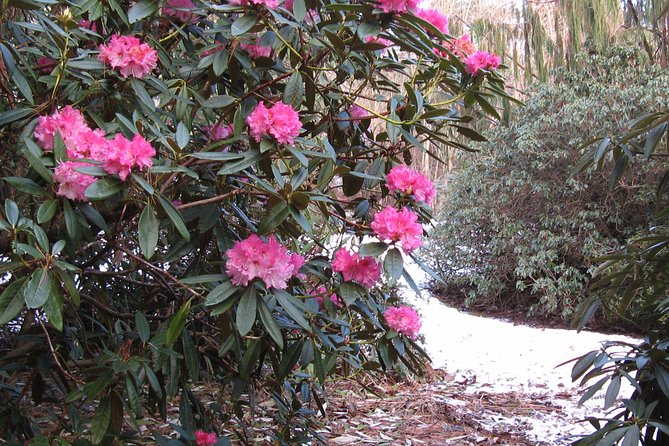
Dundee Botanic Garden is not just a quick flower stop. Its 27 acres of plants from the world’s temperate regions are arranged by geography, so your walk changes from one plant community to the next. Add glasshouses, Tay views, a cafe, children’s play spaces, and quiet benches, and you have a useful half-day break from Dundee’s city streets.
I like the freedom here. You can stroll for an hour, or spend two hours studying trees and unusual plants. I also like the easy mobile booking and the chance to visit the glasshouses, which several people found more impressive than expected. The main caution is that entrance staffing and opening information have not always been perfectly clear, so check the details before you go.
Key points to know before you go

- A self-guided 27-acre walk: Plants are arranged in geographical groups that reflect how they grow together in the wild.
- Glasshouses add real interest: The tropical and cactus collections give the visit more variety, especially outside peak flowering season.
- Good for families: A wooden play area, willow den, fairy trail, wildlife spotting, and easy paths give children plenty to notice.
- Plan around seasonal entry times: The garden opens daily at 10am, but last entry changes by season.
- The cafe helps make this a proper outing: Soup, drinks, and other food give you a comfortable pause during your visit.
- Book ahead, but stay alert at the gate: Mobile tickets are convenient, though entrance checks have occasionally been inconsistent.
A calm corner of Dundee with room to roam
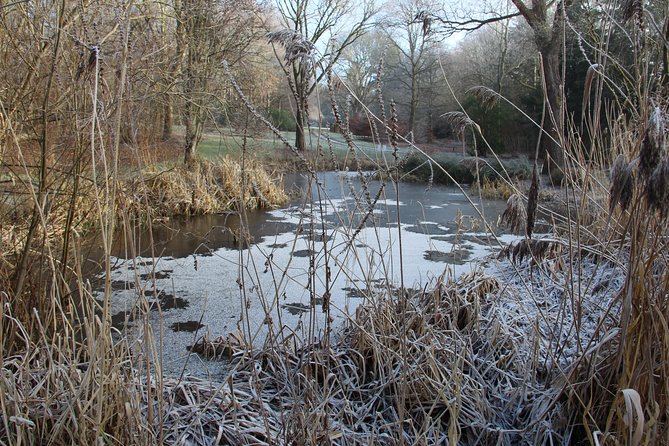
The University of Dundee Botanic Gardens sit in a spacious 27-acre setting, giving you a visit that feels more like a country walk than a quick urban attraction. You will find broad planting areas, mature trees, shrubs, glasshouses, seating, and views toward the Tay and Dundee Airport.
The garden is designed around temperate plants from different parts of the world. That matters because the experience is not simply a collection of bright flower beds. You move between plant communities linked to geographical regions, seeing how trees, shrubs, and smaller plants can work together.
I like that the garden works at two speeds. You can come for a quiet walk, a cafe lunch, and a little fresh air. Or you can pay closer attention to plant labels, numbered trees, and wild-collected specimens. Some visitors found that many plants were not labelled clearly, so serious plant enthusiasts may want to ask staff about anything they cannot identify.
The garden also changes with the seasons. Spring and summer bring more colour, while autumn offers strong tree colour. In winter, the outdoor planting may be less showy, but the glasshouses can help keep the visit worthwhile. One important warning: one poor experience came from visiting when the garden did not feel at its best, so expectations should match the season.
A few more days out from Scotland worth a look
- Private Walking Tour of Edinburgh Castle with Skip-the-Line
★ 5.0 · 4 reviews
What your two-hour visit looks like
There is no fixed guided route. You enter, pick up or use a map, and set your own pace. The suggested visit length is about two hours, but that is only a useful planning figure. Families may spend longer because of the play area, while plant lovers may need more time for the glasshouses and collections.
I would begin with a broad walk through the outdoor sections. This gives you a feel for the garden’s layout before you decide where to linger. Look for the mature trees and the geographical plantings, then keep some time for the glasshouses rather than treating them as an optional extra.
The paths give you room to stop without blocking everyone else. There are also places to sit for a quiet break, and the garden’s peaceful feel is one of its strongest qualities. If you want a reflective walk after lunch, this is a sensible choice.
The map has caused some confusion for visitors, particularly around the glasshouses. Make sure you ask at the entrance where they are and check whether they are open. The garden’s own plant numbering can also help if you want to follow up later with the team about a tree or plant you found interesting.
The outdoor collections: plants arranged by place
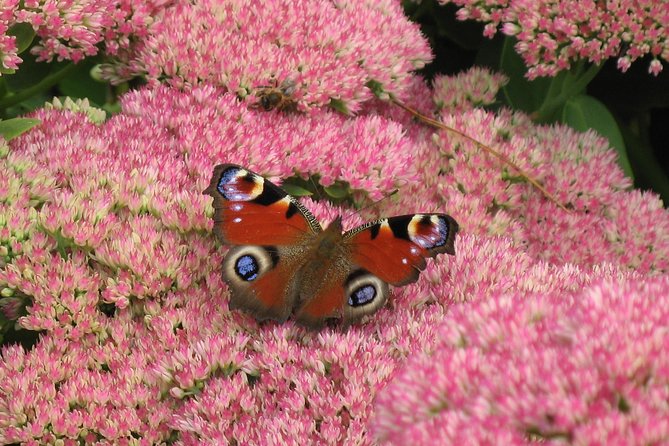
The outdoor garden is the heart of the visit. Instead of presenting plants as a simple decorative display, it groups them according to the plant communities found in temperate parts of the world.
That approach gives your walk a sense of progress. One section may feel tree-heavy and shaded, while another opens into shrubs, paths, or more unusual planting. The pleasure comes from noticing differences in shape, texture, and seasonal colour rather than hunting only for the biggest bloom.
The mature trees are especially worth your attention. One visit described them as magnificent, and that fits the garden’s appeal. Trees give the place scale and make it rewarding even when flowers are not at their peak.
The garden also includes quirky touches that keep the walk from feeling too formal. An elephant feature, a scented garden, and areas designed for children give you reasons to look around rather than simply follow the main path.
Do not expect every specimen to have a large, easy-to-read label. Some plants are labelled and others are not, while labels can be hidden by foliage or affected by age. If you want a detailed botanical lesson, this may feel incomplete. If you prefer a relaxed walk with occasional discoveries, the lighter approach may suit you.
Glasshouses worth saving time for
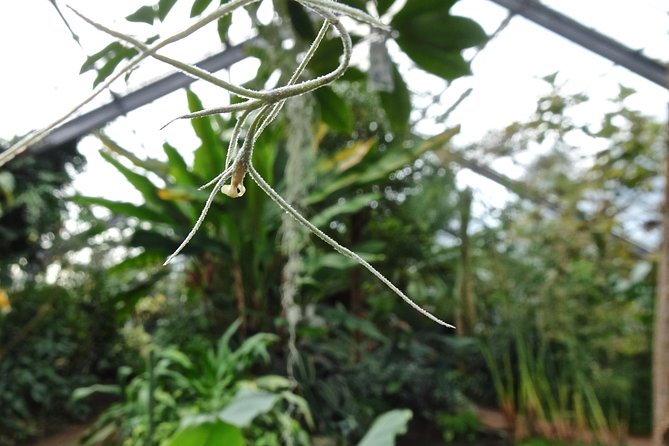
The glasshouses are an important part of the visit, and I would not leave them until the last five minutes. They contain exotic plants and a cactus area, adding warmth, structure, and colour when the outdoor garden is quiet.
One visitor who ran short of time regretted missing them. That is useful advice. The outdoor grounds are large enough to absorb your attention, so set aside time for the glasshouses from the start.
The glasshouses are not described as huge, and one account called them small. Still, their plant collections made a strong impression, especially the exotic section and cacti. They give you something different from the outdoor walk and help justify the admission price outside the main flowering months.
Opening information has not always been perfectly reflected on maps or booking pages. Ask at the entrance if you are unsure. A quick question can prevent you from missing the section you came to see.
Same base, a completely different day out:
- The World Famous Underground Ghost Tour
★ 4.5 · 9,272 reviews - Underground Vaults Walking Tour in Edinburgh Old Town
★ 4.5 · 8,506 reviews - Loch Ness, Scottish Highlands, Glencoe and Pitlochry Tour
★ 5.0 · 6,854 reviews - Loch Ness & Highlands Small-Group Tour from Edinburgh with Cruise
★ 4.5 · 6,022 reviews
A strong choice for families with young children
This garden is more family-friendly than the admission price alone might suggest. Children can use the wooden play area and willow den, look for wildlife, follow the fairy trail, and explore open planting areas with adults nearby.
The fairy trail uses plaques placed in the ground rather than little doors attached to trees. That may disappoint children expecting a traditional fairy-door hunt, but the trail is meant to encourage exploration and can be followed with a free map or guide.
For younger children, the garden offers a welcome mix of movement and small discoveries. A two-year-old can find things to investigate without needing a formal activity schedule. The paths and seating also make it easier for adults to pause while children play.
I would bring children who enjoy spotting, climbing, and wandering rather than expecting a full day of organised entertainment. The garden is still a botanic collection first. The play features add variety, but they do not replace a playground visit.
Views, benches, and the cafe
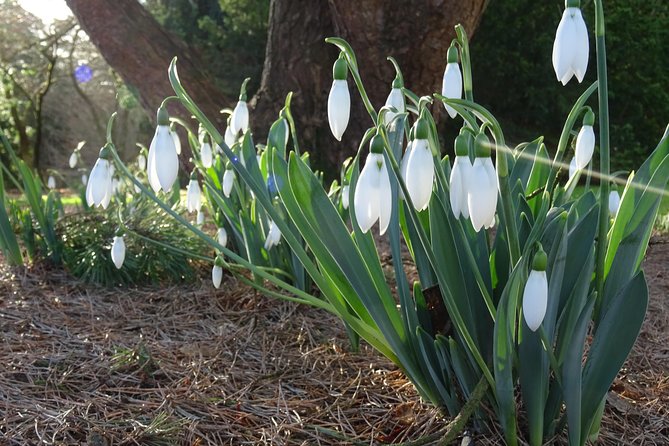
The garden’s views toward the Tay give the visit a pleasant sense of space. You can combine a plant walk with a pause at a bench, especially on a clear day.
The cafe is another practical strength. It has been praised for friendly service, soup, drinks, and other food. I like having this option because it turns a short garden visit into an unhurried outing. You can arrive for a morning walk, stop for lunch, and return outside without needing to find another place to eat.
Facilities include toilets and disabled parking. Parking may be harder if the garden is busy, so do not assume the small parking area will always be convenient. The site is near public transport, and service animals are allowed.
The setting also suits anyone looking for a quiet break. The combination of mature trees, seating, scented planting, and open views makes this a place where you can slow down. It is not designed as a dramatic sightseeing hit. Its strength is the ease of spending time there.
Timing your entry carefully
The published information gives daily opening from 10am until 4.30pm, with last entry at 2.30pm from March through October and 3.30pm from November through February. Another timetable shows opening hours through 3pm, so I would confirm the current schedule before leaving.
The difference matters. If you arrive late in the afternoon, you may technically reach the garden before closing but still miss the final admission time. You also need enough daylight and energy for the outdoor sections and glasshouses.
The garden closes on Christmas Day, Boxing Day, and the first two days of January. A visit takes about two hours, but I would allow extra time if you want the cafe, children’s areas, or a slower look at the plant collections.
Because this is an outdoor attraction, weather affects the experience. Poor weather can lead to cancellation, in which case you are offered another date or a full refund. On an ordinary wet day, the visit may still be possible, but the paths, views, and play areas will be less inviting.
Is the $6.89 ticket good value?
At $6.89 per person, this is a modest-priced attraction if you use the full garden. You are paying for access to 27 acres, the outdoor collections, glasshouses, play spaces, seating areas, and views. A two-hour visit works out well if you also use the cafe and take your time.
The value is less convincing if you expect formal interpretation at every plant or a garden in peak bloom. Some areas have limited labels, and the amount of colour depends heavily on the season. One negative experience judged the admission too high for the condition of the garden at that particular time.
The mobile ticket is intended to make entry quick and easy. Most of the time, pre-booking should help you avoid fuss at the gate. Still, entrance checks have occasionally been inconsistent when volunteers were away from the desk. Staff, university students, members, and friends may also enter free, which can make it look as though some people have skipped payment.
That issue does not necessarily affect the garden itself, but it can affect how you feel about value for money. If the entrance is unattended, look for the bell or contact details for the duty gardener rather than simply assuming you are in the wrong place.
Group discounts are available, and essential carers of disabled visitors, staff, and matriculated University of Dundee students enter free. Prices and concessions may change, so check the current terms before booking.
Booking, mobile tickets, and practical details
Confirmation is sent at booking, and the ticket can be shown on your phone. I would save a screenshot before arriving. One person had trouble finding the original message, while a screenshot solved the problem.
Free cancellation is available up to 24 hours before the start time. Cancellations or changes made within 24 hours are not refunded or accepted. Cut-off times use local time, so be careful if you are booking from another time zone.
The experience is suitable for most people, and service animals are allowed. Since the garden is spread over 27 acres, you should be comfortable with a fairly substantial outdoor walk, even though you can keep the pace gentle and stop often.
Who should book this Dundee garden visit?
I would choose this for families, couples, plant enthusiasts, and anyone who wants a quiet outdoor break. It is also a good option after a busy day of city sightseeing because you can make the visit as active or as restful as you like.
It suits you especially well if you enjoy mature trees, unusual plants, glasshouses, and informal walks. Children have enough to spot and do, while adults can focus on the collections, cafe, and views.
I would hesitate if you want a highly guided botanical tour, perfect flower displays in every season, or a fully signposted route with labels at every plant. The garden’s charm is in wandering, but that same freedom can feel under-explained.
Should you book it?
Yes, if you want a reasonably priced, self-guided garden visit with more variety than its modest admission suggests. Book ahead, save your mobile ticket, and protect time for the glasshouses. Visit earlier in the day if possible, confirm the current last-entry time, and set your expectations by the season.
The garden is best understood as a peaceful two-hour outing, not a quick checklist attraction. With the cafe, play spaces, mature trees, plant communities, and Tay views, it gives you plenty of reasons to slow down.
FAQ
How much does admission cost?
The listed price is $6.89 per person. Group discounts are available, and some visitors qualify for free entry, including essential carers of disabled visitors, staff, and matriculated University of Dundee students.
How long should I allow for a visit?
The suggested duration is about two hours. You may need longer if you want to explore the glasshouses, use the cafe, or let children spend time in the play areas and fairy trail.
When is Dundee Botanic Garden open?
The garden is listed as open daily from 10am. The published information gives closing at 4.30pm, with last entry at 2.30pm from March through October and 3.30pm from November through February. Another timetable lists opening through 3pm, so confirm the current hours before visiting.
Is the garden open all year?
It is available in all four seasons, but it closes on Christmas Day, Boxing Day, and the first two days of January.
Do I need to book in advance?
Pre-booking is recommended and provides a mobile ticket intended to make entry quicker. Save the ticket as a screenshot in case the original booking message is difficult to retrieve.
Are the glasshouses included?
Yes. Admission includes the garden, and the glasshouses are part of the site. They contain exotic plants and cactus collections, though opening details should be confirmed at the entrance.
Is the garden suitable for children?
Yes. Children can use the wooden play area and willow den, follow the fairy trail, and look for wildlife around the grounds.
Can I cancel my booking?
You can cancel up to 24 hours before the experience for a full refund. Cancellations or changes made less than 24 hours before the start time are not accepted. If poor weather causes the experience to be cancelled, you are offered another date or a full refund.
Just added around Scotland
- ULLAPOOL PORT Cruise Ship Tour, Ardvreck Castle, Rocks & More★ 5.0 · 5 reviews
- Northern Islands RIB Tour★ 5.0 · 15 reviews
- Full-Day Private Speyside Malt Whisky Trail Tour from Grantown-on-Spey★ 5.0 · 22 reviews
- Full-Day Walking and Hiking Adventure in Quinag Mountain Range★ 5.0 · 20 reviews
- Guided Walks in Grantown-on-Spey★ 5.0 · 35 reviews
- Explore Glenfinnan – Adults★ 5.0 · 5 reviews
- Dunrobin Castle Private Tour★ 4.0 · 4 reviews
- 2 hour private surf lesson! (Up to 2 people)★ 5.0 · 63 reviews